
Quick answer
What homeowners need to know
Storage-shed cost varies with size, site preparation, foundation, access, cladding, doors, drainage, fit-out and any consent or design requirements.
Budget the complete usable shed and its site works rather than comparing kit prices alone.
Key takeaways
- Start with what you will store, because that sets the size, door width and floor strength.
- Kitset and custom-built sheds suit different needs.
- Check the rules before buying.
- Useful budgets separate known scope, selections, allowances, exclusions, GST and contingency.
Costs & budgeting
Working out storage shed cost in Auckland
Start with what you will store, because that sets the size, door width and floor strength. Garden tools, bikes, a ride-on mower and workshop gear all need different access and layout. A shed that is too small often leads to a second one later, while an oversized shed may raise consent or boundary issues. Measure your largest items and plan shelving before choosing a size.
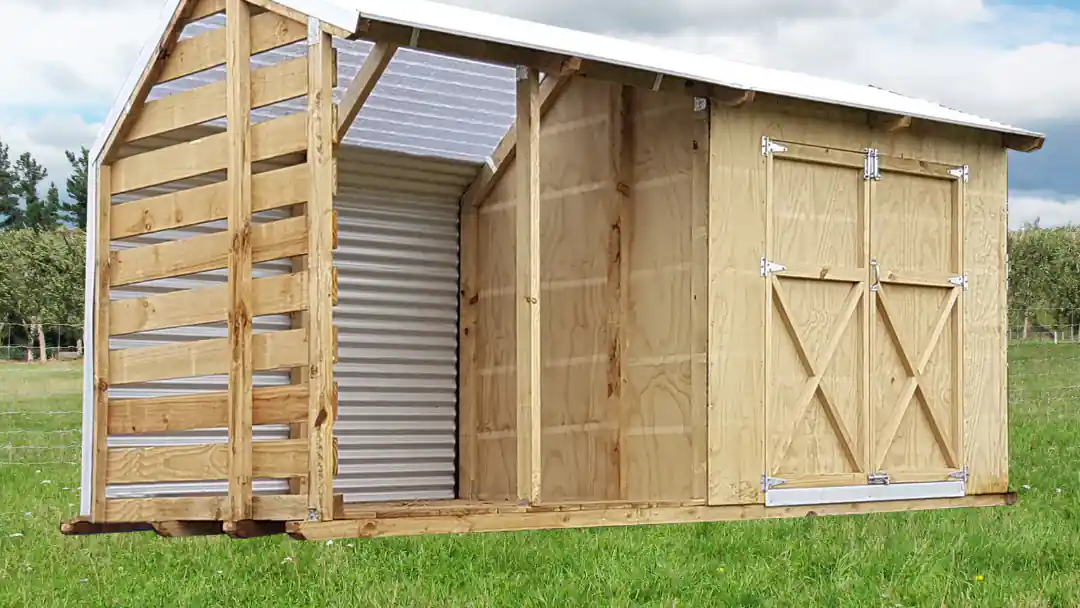
Kitset and custom-built sheds suit different needs. A kitset can be quicker to buy and assemble, but quality, wind suitability and fixing systems vary between products. A custom timber shed can match the house, fit an awkward site and include better doors or windows. Compare options on durability in Auckland's wet and coastal conditions, not only on the advertised price.
Check the rules before buying. Some small sheds are exempt from building consent if they meet set limits on size, height and distance from boundaries, but the criteria are specific and district plan rules may still apply. Review current guidance from Building Performance and Auckland Council, or ask a professional. A shed built outside the rules may have to be moved or consented later.
Scope before solutions
Decisions to make before committing
Settle these points before an idea becomes an order, contract or construction instruction.
Budget the complete usable shed and its site works rather than comparing kit prices alone.
extent of demolition and hidden repair
changes to structure, plumbing or electrical services
material grade, access and programme constraints
Practical sequence
A step-by-step planning process
- 01
Define the exact outcome you need and how success will be checked.
- 02
Define the measurable scope and finish level before requesting prices.
- 03
Ask each contractor to identify assumptions, exclusions and provisional sums.
- 04
Keep design, consent, temporary works and owner-supplied items visible in the total budget.
- 05
Retain a project-specific contingency and update the forecast when decisions change.
Cost and time
How to build a more reliable budget and programme
A fixed price or completion date needs a measured scope and a site visit. A site inspection and written scope are required before any planning range can become a reliable project quotation.
Use the calculator, then request a site-specific assessment.
Risk control
Common mistakes to avoid
- A cheap shell may exclude delivery, base, anchoring, weatherproofing and internal storage systems.
- comparing totals without aligning inclusions
- using a generic square-metre rate as a final quote
Accuracy and compliance
Use current official information
Primary sources used for this guide
- Why contracts are valuableBuilding Performance (MBIE)
- Home renovation and repairConsumer Protection New Zealand
- Planning a successful buildBuilding Performance (MBIE)
Common questions
Frequently asked questions
How much does a garden shed cost to install in Auckland?
Total cost depends on size, kitset or custom construction, materials, base or foundation, delivery, site preparation and any consent. The price of the shed itself is only part of the picture. Get quotes that include ground preparation, anchoring and drainage, so you can compare the cost of a finished, usable shed rather than just the kit.
Do I need a building consent for a shed in Auckland?
Many small sheds are exempt, but only if they meet the specific size, height, use and boundary distance criteria in the current exemption rules. Larger sheds, or sheds used for sleeping, may need consent. District plan rules about site coverage and setbacks can still apply. Check current guidance from Auckland Council before you buy.
What is the best base for a storage shed?
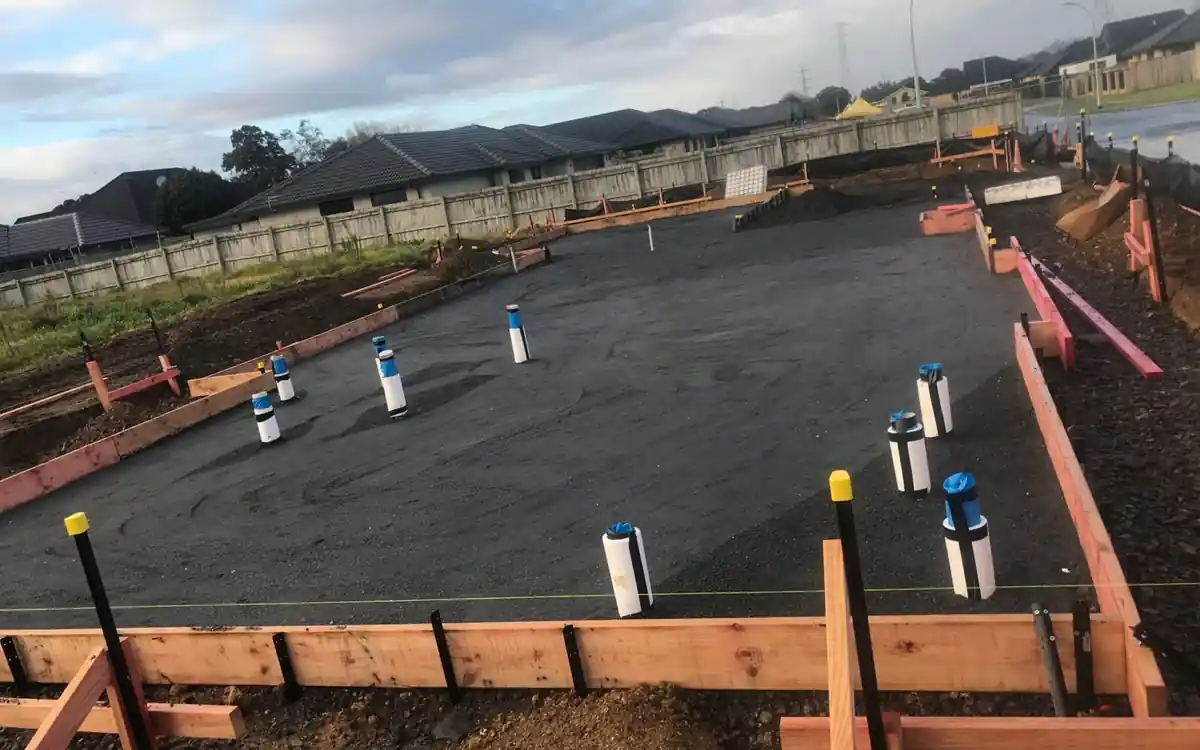
The right base depends on shed size, weight, ground conditions and drainage. Options include a concrete slab, a timber floor on piles, or a prepared base recommended by the kitset supplier. Whatever you choose, the floor should sit above the surrounding ground and shed water away. Follow the manufacturer's anchoring instructions so the shed stays secure in strong wind.