
Quick answer
What homeowners need to know
Kitchen cost is shaped by cabinetry, benchtops, appliances, services, demolition, installation and the amount of layout change.
Create a schedule for joinery, hardware, appliances and owner-supplied items so quote allowances are transparent.
Key takeaways
- Cabinetry is often one of the biggest cost decisions in a kitchen, and the materials behind the doors matter.
- Benchtop choice affects more than the material price.
- Appliances can swing the budget in either direction.
- Useful budgets separate known scope, selections, allowances, exclusions, GST and contingency.
Costs & budgeting
Where kitchen renovation cost goes in New Zealand
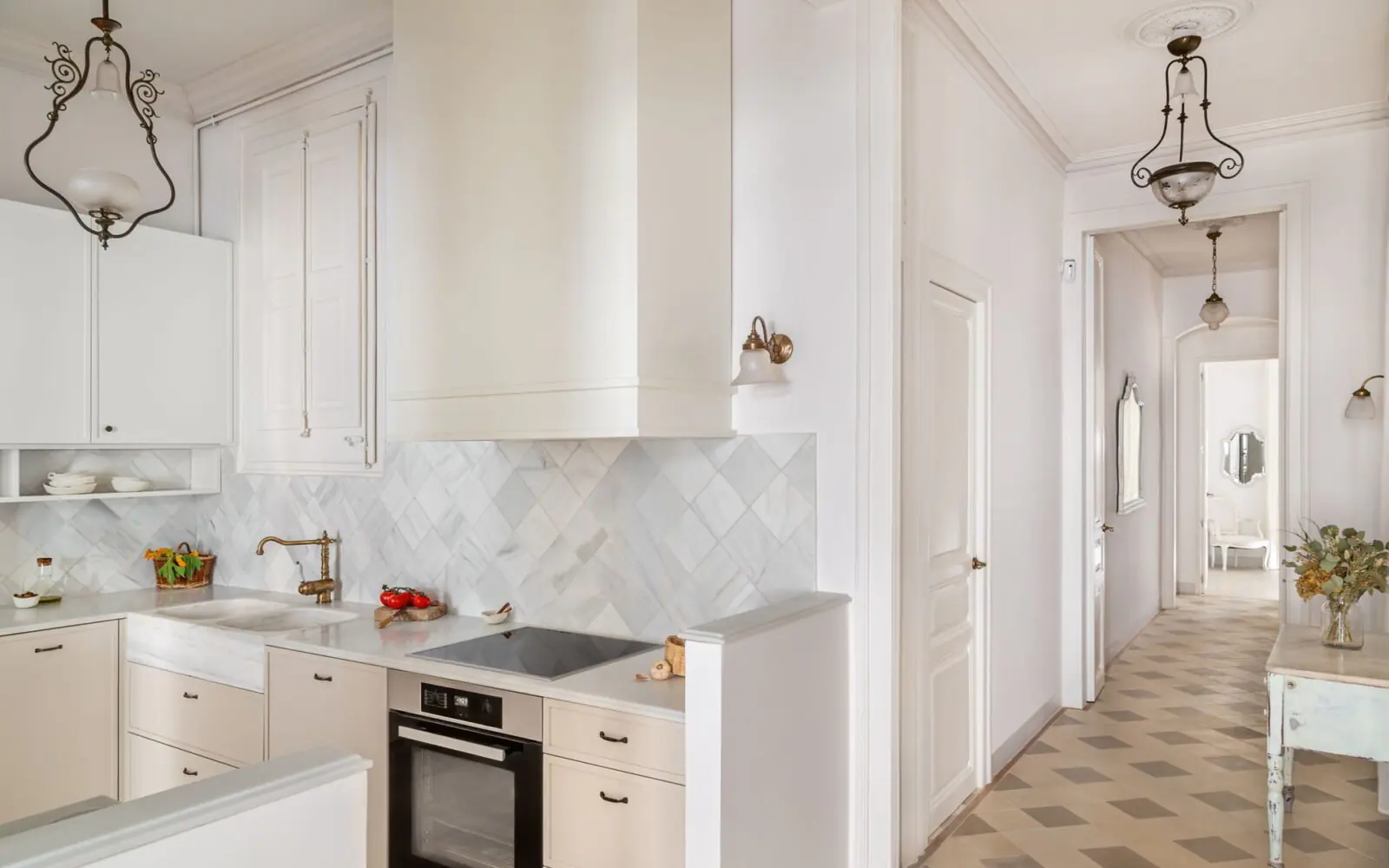
Cabinetry is often one of the biggest cost decisions in a kitchen, and the materials behind the doors matter. Carcass board type, drawer runners, hinges and soft-close hardware affect durability as much as the visible finish. Ask joiners to name the board, edging and hardware in their quote. Two kitchens that look identical on a drawing can differ widely in how well they last.
Benchtop choice affects more than the material price. Stone, solid surface and some engineered products need templating after the cabinets are installed, which adds a step to the programme. Laminate can often be supplied sooner. Undermount sinks, cooktop cut-outs and waterfall ends add fabrication cost. Choose the benchtop early so the cabinet design, support and programme all suit it.
Appliances can swing the budget in either direction. Integrated fridges and dishwashers need custom panels and precise openings, while freestanding models are easier to replace. Induction cooktops and wall ovens may need electrical upgrades, and a ducted rangehood needs a route to the outside. Confirm models and their installation needs before the joinery is finalised, so the price reflects real requirements.
Scope before solutions
Decisions to make before committing
Settle these points before an idea becomes an order, contract or construction instruction.
Create a schedule for joinery, hardware, appliances and owner-supplied items so quote allowances are transparent.
extent of demolition and hidden repair
changes to structure, plumbing or electrical services
material grade, access and programme constraints
Practical sequence
A step-by-step planning process
- 01
Define the exact outcome you need and how success will be checked.
- 02
Define the measurable scope and finish level before requesting prices.
- 03
Ask each contractor to identify assumptions, exclusions and provisional sums.
- 04
Keep design, consent, temporary works and owner-supplied items visible in the total budget.
- 05
Retain a project-specific contingency and update the forecast when decisions change.
Cost and time
How to build a more reliable budget and programme
A fixed price or completion date needs a measured scope and a site visit. A site inspection and written scope are required before any planning range can become a reliable project quotation.
Use the calculator, then request a site-specific assessment.
Risk control
Common mistakes to avoid
- Comparing kitchens by cabinet count alone ignores service work, surfaces and installation complexity.
- comparing totals without aligning inclusions
- using a generic square-metre rate as a final quote
Accuracy and compliance
Use current official information
Primary sources used for this guide
- Why contracts are valuableBuilding Performance (MBIE)
- Home renovation and repairConsumer Protection New Zealand
- Planning a successful buildBuilding Performance (MBIE)
Common questions
Frequently asked questions
What is the most expensive part of a kitchen renovation?
It varies, but cabinetry, benchtops and appliances usually make up a large share of the budget, followed by plumbing and electrical work. Moving the sink, cooktop or walls can increase costs significantly. Your choice of materials and hardware quality also makes a big difference. Ask for an itemised breakdown so you can see where the money goes.
Is a flat-pack kitchen cheaper than custom joinery?
A flat-pack kitchen often has a lower product price, but installation, adjustments, benchtops, plumbing and electrical work still apply. Custom joinery can fit awkward spaces and use specific materials. Compare the installed, finished cost of each option, and check board quality, hardware and warranty terms before deciding which offers better value.
How can I keep kitchen renovation costs down in New Zealand?
Keep the sink, cooktop and dishwasher in roughly the same positions, use standard cabinet sizes where possible, and choose appliances that do not need custom panels. Spend on hard-wearing hardware and surfaces, and save on decorative items you can change later. Finalise every selection before work starts to avoid costly variations.