
Quick answer
What homeowners need to know
Set contingency from identified uncertainty and project stage rather than copying a fixed percentage; less investigation usually requires more risk allowance.
Maintain separate allowances for known selections and unknown existing conditions so contingency is not quietly spent on upgrades.
Key takeaways
- List the specific unknowns in your project before choosing a contingency amount.
- Decide who controls the contingency and how it is released.
- If the budget is tight, reduce scope rather than removing the buffer.
- Useful budgets separate known scope, selections, allowances, exclusions, GST and contingency.
Costs & budgeting
Sizing and managing a renovation contingency budget
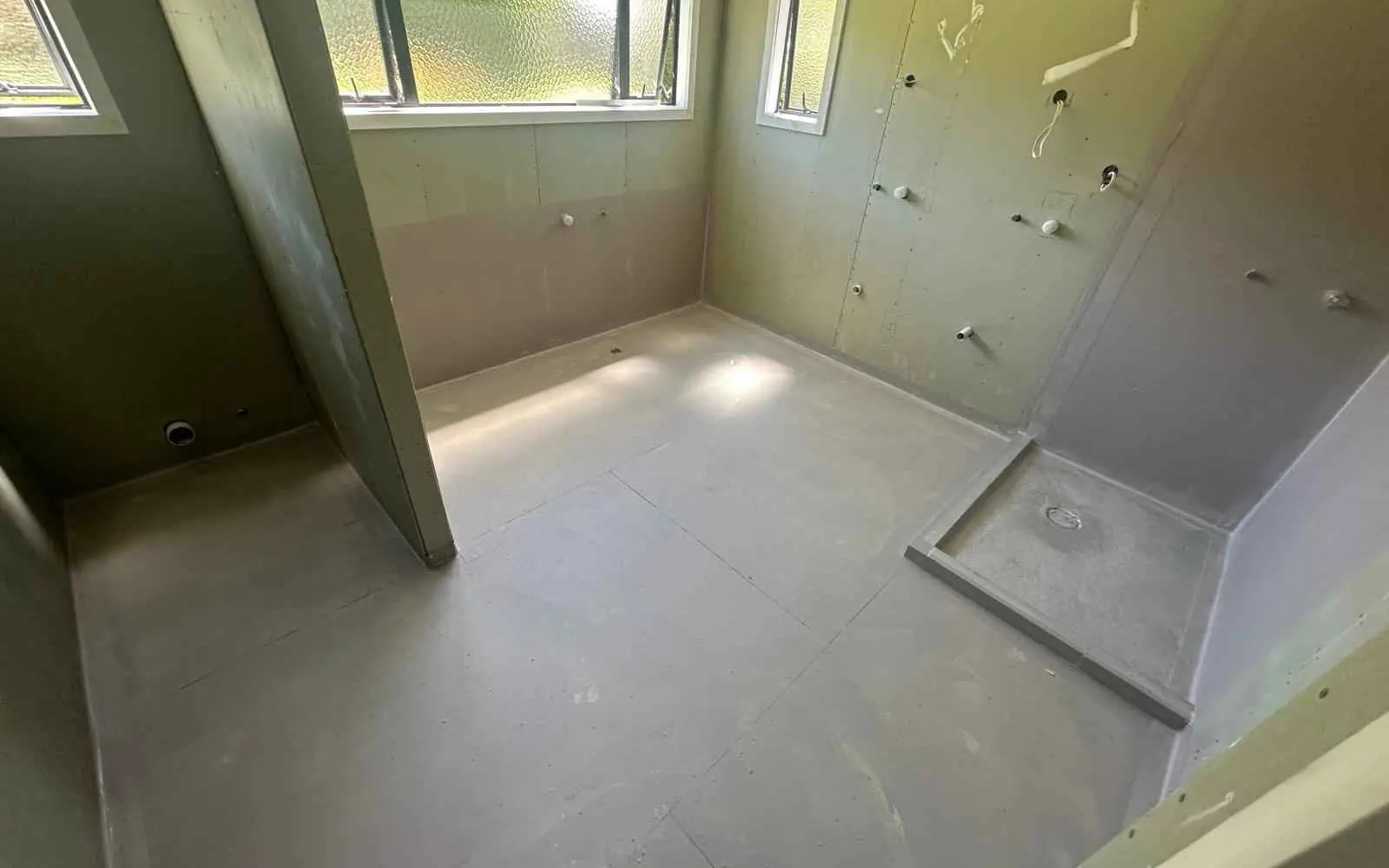
List the specific unknowns in your project before choosing a contingency amount. Examples include concealed rot under a shower, the condition of old wiring, possible asbestos, ground conditions for new foundations and material price changes. For each one, ask your builder what it might involve if found. A contingency linked to named risks is easier to defend and harder to spend casually.
Decide who controls the contingency and how it is released. Some owners hold it themselves, while some contracts show it as a separate line in the price. Either way, require written approval before any of it is spent, with a description of the issue and the cost. Reviewing the balance at each stage shows whether risk is reducing as expected or the project needs a rethink.
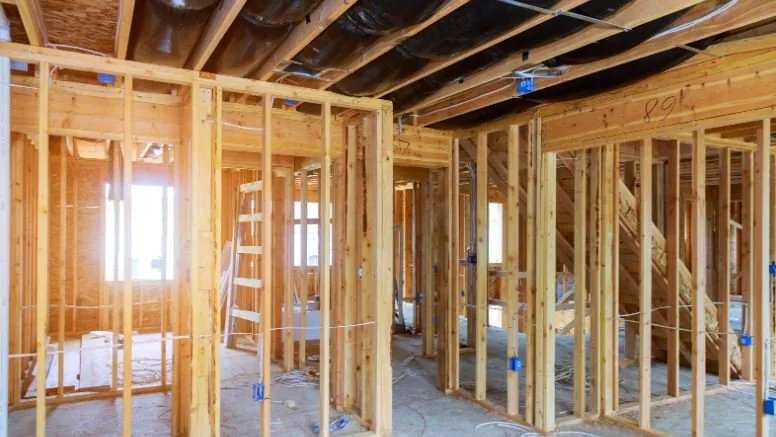
If the budget is tight, reduce scope rather than removing the buffer. Choose a smaller project that still leaves room for surprises. Any contingency left once the risky stages are complete, such as demolition, framing and service rough-in, can then be released for extras. Adding an upgrade at the end is far safer than hunting for extra money mid-project.
Scope before solutions
Decisions to make before committing
Settle these points before an idea becomes an order, contract or construction instruction.
Maintain separate allowances for known selections and unknown existing conditions so contingency is not quietly spent on upgrades.
extent of demolition and hidden repair
changes to structure, plumbing or electrical services
material grade, access and programme constraints
Practical sequence
A step-by-step planning process
- 01
Define the exact outcome you need and how success will be checked.
- 02
Define the measurable scope and finish level before requesting prices.
- 03
Ask each contractor to identify assumptions, exclusions and provisional sums.
- 04
Keep design, consent, temporary works and owner-supplied items visible in the total budget.
- 05
Retain a project-specific contingency and update the forecast when decisions change.
Cost and time
How to build a more reliable budget and programme
A fixed price or completion date needs a measured scope and a site visit. A site inspection and written scope are required before any planning range can become a reliable project quotation.
Use the calculator, then request a site-specific assessment.
Risk control
Common mistakes to avoid
- Treating contingency as available upgrade money removes protection when concealed work appears.
- comparing totals without aligning inclusions
- using a generic square-metre rate as a final quote
Accuracy and compliance
Use current official information
Primary sources used for this guide
- Why contracts are valuableBuilding Performance (MBIE)
- Home renovation and repairConsumer Protection New Zealand
- Planning a successful buildBuilding Performance (MBIE)
Common questions
Frequently asked questions
How much contingency should I allow for a renovation?
There is no universal amount. The right contingency depends on the age and condition of the house, how much investigation has been done, the complexity of the work and how firm the prices are. A well-documented project with fixed prices needs less buffer than an older home with many unknowns. Ask your builder to help identify the specific risks.
What is renovation contingency used for?
Contingency covers genuine unknowns that appear during the work, such as hidden rot, unexpected structural issues, outdated wiring or damaged pipes discovered once walls and floors are opened. It is not meant for upgrades or changes of mind. Keeping it reserved for real surprises stops the project stalling when concealed problems are found.
Should contingency be included in a building contract?
It can be shown in the contract, held separately by the owner, or both. What matters is that everyone understands how it is used, who approves spending and how unspent amounts are treated. Get the arrangement in writing. If you are unsure about your contract terms, consider independent legal advice before signing.