
Quick answer
What homeowners need to know
Good neighbour planning covers notice, access, boundaries, noise, parking, deliveries, dust and any formal approvals or party responsibilities.
Use written, factual communication and keep site vehicles or materials within agreed areas.
Key takeaways
- Tell neighbours about the project before it starts.
- Get written agreement for anything that affects their property.
- Manage the daily impacts that cause most complaints.
- Exempt building work must still comply with the Building Code and other applicable rules.
Consent & compliance
Managing neighbours during renovation work
Tell neighbours about the project before it starts. A short written note or visit can cover what is happening, expected working hours, how long it may run and who to contact with concerns. Give a phone number for the builder or project manager. Early, honest information reduces frustration and makes it easier to resolve small issues before they escalate.
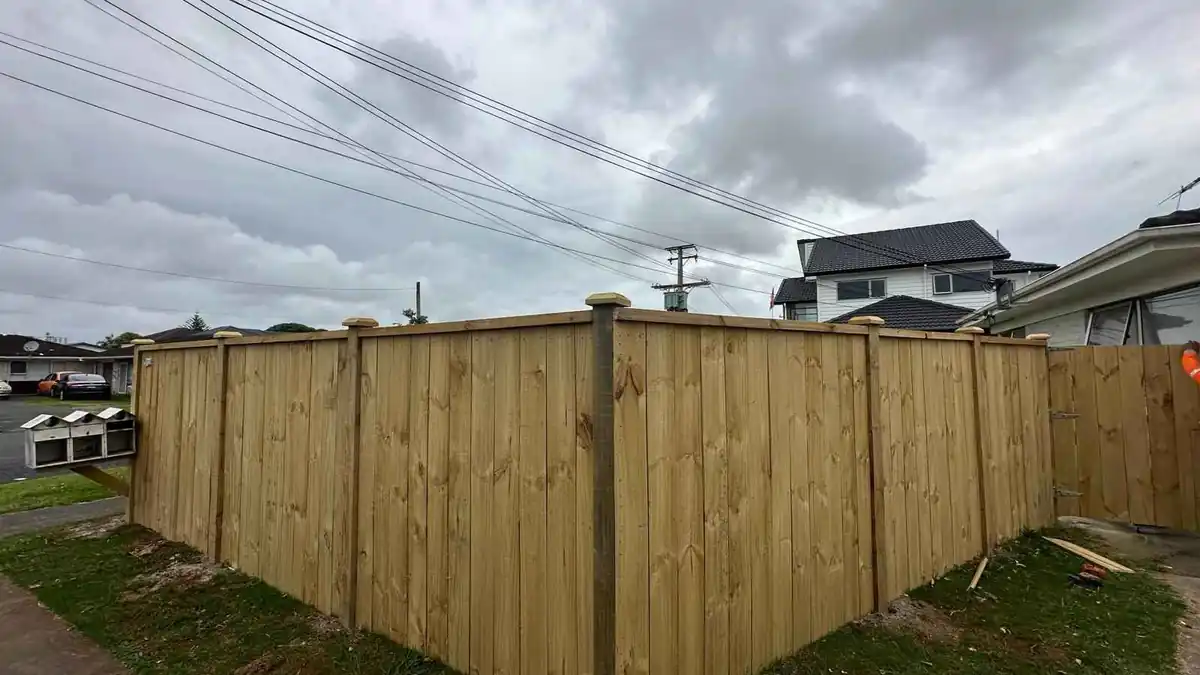
Get written agreement for anything that affects their property. Scaffolding over the boundary, access through their land, fence removal or trimming shared trees all need their permission. Record the condition of shared fences and nearby surfaces with photos before starting. Some work may also need formal approvals or affect legal rights, so check easements and title documents with your lawyer.
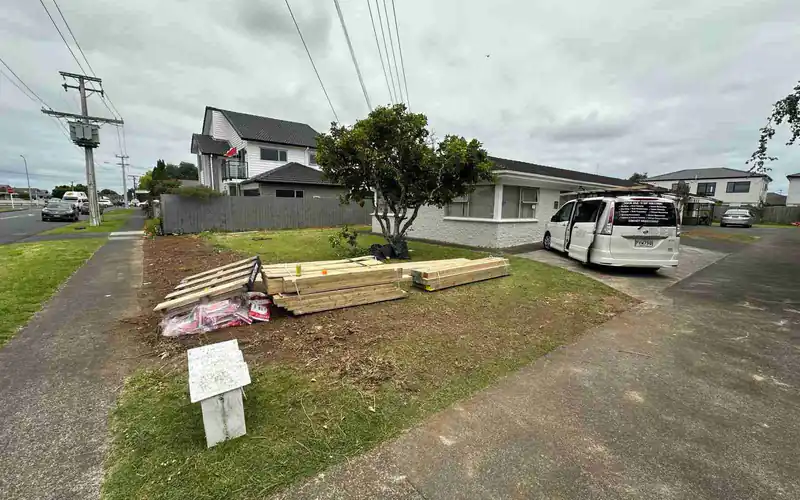
Manage the daily impacts that cause most complaints. Agree where trade vehicles park, where skips sit and when deliveries arrive. Keep dust and debris on your site, and clean shared footpaths and driveways regularly. Construction noise is controlled by Auckland Council rules, so ask your builder to plan noisy tasks within permitted hours and avoid surprising neighbours with early starts.
Scope before solutions
Decisions to make before committing
Settle these points before an idea becomes an order, contract or construction instruction.
Use written, factual communication and keep site vehicles or materials within agreed areas.
whether structure, use or specified systems change
plumbing, drainage, electrical and weathertightness scope
property overlays, hazards and existing unconsented work
Practical sequence
A step-by-step planning process
- 01
Define the exact outcome you need and how success will be checked.
- 02
Write a precise description of the proposed work and collect available property records.
- 03
Check current central-government and Auckland Council guidance for that project type.
- 04
Ask qualified practitioners to identify design, consent, safety and certification requirements.
- 05
Keep approved documents, variations, inspection records and completion certificates together.
Cost and time
How to build a more reliable budget and programme
A fixed price or completion date needs a measured scope and a site visit. This content is general information only. Confirm requirements with Auckland Council and appropriately qualified professionals before work starts.
Use the calculator, then request a site-specific assessment.
Risk control
Common mistakes to avoid
- Informal permission should not replace required legal, council or property documentation.
- assuming consent-exempt means code-exempt
- relying on general online advice instead of checking the actual scope
Accuracy and compliance
Use current official information
Primary sources used for this guide
- Check if you need consentsBuilding Performance (MBIE)
- Building and renovation projectsAuckland Council
- Asbestos in the homeWorkSafe New Zealand
- Documentation from your electricianElectrical Workers Registration Board
Common questions
Frequently asked questions
Do I have to tell my neighbours I am renovating?
There is not always a legal duty to notify neighbours, but it is good practice and some work may require their written consent. Telling them early reduces complaints and builds goodwill. If your project affects a shared boundary, fence or their land, you will need their agreement before proceeding.
Can my builder put scaffolding on my neighbour's property?
Only with your neighbour's permission. Get it in writing, covering the area, duration and how any damage will be repaired. If they refuse, your builder may need a different scaffolding design or method. Check with a lawyer if access is essential and agreement cannot be reached.
What can I do if a neighbour complains about renovation noise?
Listen to the concern, check that work is within permitted hours and ask your builder whether noisy tasks can be rescheduled or reduced. Keep a calm, written record of conversations. If a complaint goes to Auckland Council, the council will assess it against the applicable noise rules.