
Quick answer
What homeowners need to know
Bathroom cost is driven by waterproofing, substrate repair, plumbing movement, tiling extent, fixtures, ventilation and site access rather than floor area alone.
Compare like-for-like layouts and specifications, and keep an allowance for concealed wet-area damage until demolition confirms condition.
Key takeaways
- Keeping the shower, toilet and vanity in their current positions usually controls cost more than any finish choice.
- Tiling choices change cost through labour as much as through the tile price.
- Decide early whether you or the contractor will supply fixtures and fittings.
- Useful budgets separate known scope, selections, allowances, exclusions, GST and contingency.
Costs & budgeting
What drives bathroom renovation cost in Auckland
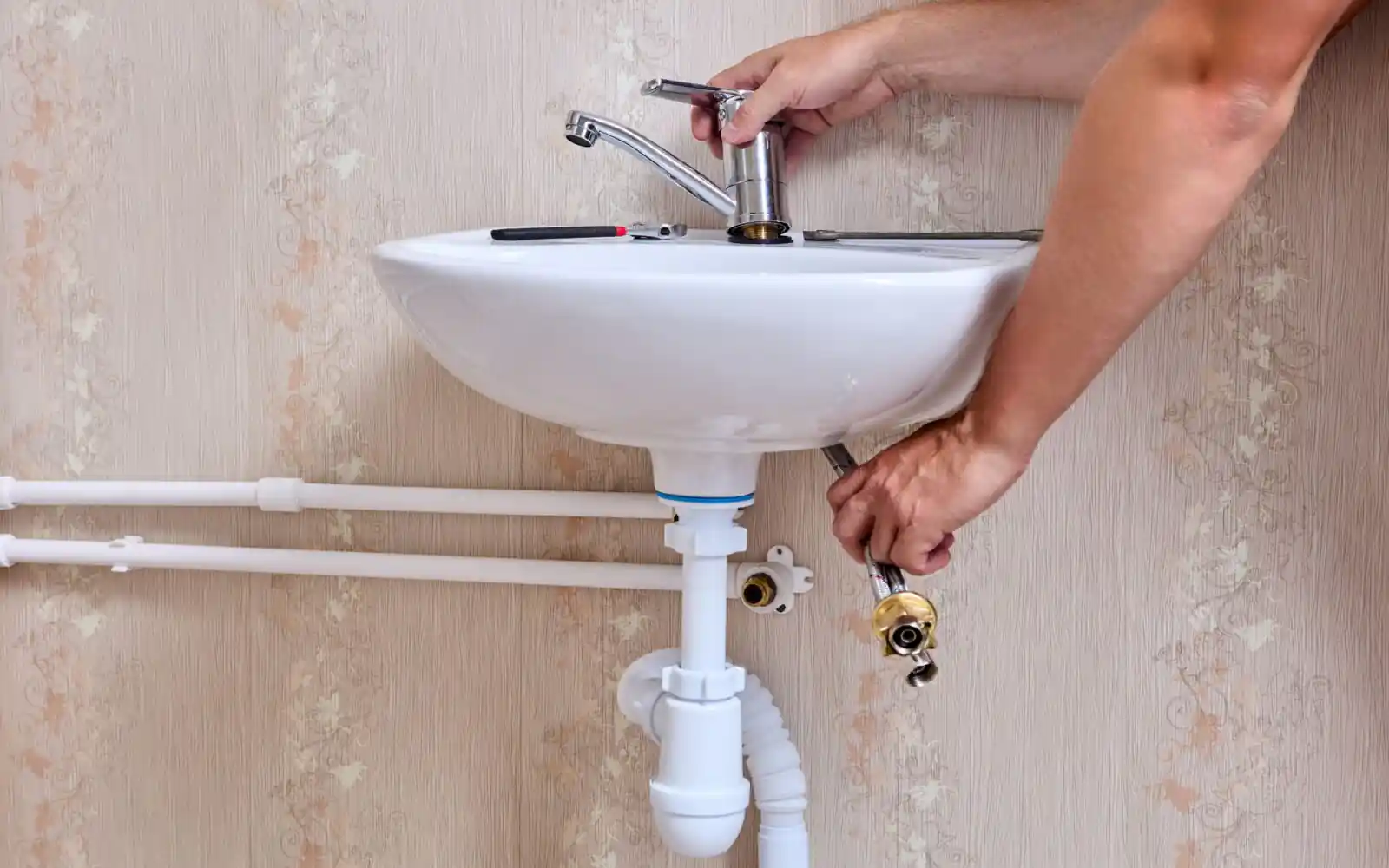
Keeping the shower, toilet and vanity in their current positions usually controls cost more than any finish choice. Moving a toilet or shower means new waste pipes, possible changes under the floor and more work for a licensed plumber or drainlayer. Before committing to a new layout, ask whether a smaller adjustment would deliver most of the benefit without moving the drainage.
Tiling choices change cost through labour as much as through the tile price. Large-format tiles, intricate patterns, floor-to-ceiling coverage and shower niches all take more setting-out time. A level-entry shower needs careful floor falls and detailed waterproofing. When comparing options, ask the tiler how each choice affects preparation and labour, not just the material price per square metre.
Decide early whether you or the contractor will supply fixtures and fittings. Owner-supplied tapware, vanities and toilets can reduce margin, but you take on responsibility for correct specifications, delivery timing and any faults. Plumbers may need particular valves or rough-in parts to suit a product. Confirm compatibility with your plumber before ordering, and agree who deals with a faulty item once installed.
Scope before solutions
Decisions to make before committing
Settle these points before an idea becomes an order, contract or construction instruction.
Compare like-for-like layouts and specifications, and keep an allowance for concealed wet-area damage until demolition confirms condition.
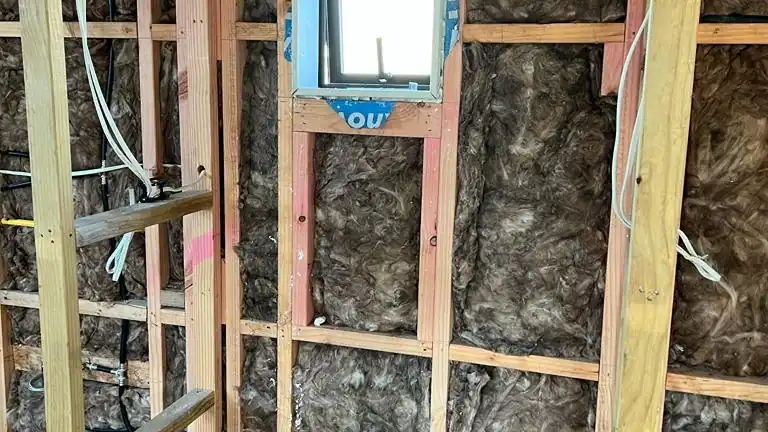
extent of demolition and hidden repair
changes to structure, plumbing or electrical services
material grade, access and programme constraints
Practical sequence
A step-by-step planning process
- 01
Define the exact outcome you need and how success will be checked.
- 02
Define the measurable scope and finish level before requesting prices.
- 03
Ask each contractor to identify assumptions, exclusions and provisional sums.
- 04
Keep design, consent, temporary works and owner-supplied items visible in the total budget.
- 05
Retain a project-specific contingency and update the forecast when decisions change.
Cost and time
How to build a more reliable budget and programme
A fixed price or completion date needs a measured scope and a site visit. A site inspection and written scope are required before any planning range can become a reliable project quotation.
Use the calculator, then request a site-specific assessment.
Risk control
Common mistakes to avoid
- A low quote may omit waterproofing preparation, electrical work, ventilation or realistic fixture allowances.
- comparing totals without aligning inclusions
- using a generic square-metre rate as a final quote
Accuracy and compliance
Use current official information
Primary sources used for this guide
- Why contracts are valuableBuilding Performance (MBIE)
- Home renovation and repairConsumer Protection New Zealand
- Planning a successful buildBuilding Performance (MBIE)
Common questions
Frequently asked questions
How much does a bathroom renovation cost in Auckland?
The cost depends on room size, whether fixtures move, the extent of tiling, waterproofing, ventilation, the condition of the floor and walls, and the fixtures you choose. A general figure from online sources will not reflect your bathroom. A site visit and a detailed scope give you a price you can actually rely on.
Does a bathroom renovation need a building consent in Auckland?
It can. Replacing fixtures in the same position is often exempt, but adding new sanitary fixtures, altering drainage, changing structure or creating a new wet area may need consent. The rules depend on the details, so check with Auckland Council or a qualified professional before work starts. Plumbing and drainlaying must be done by authorised practitioners.
How can I reduce the cost of a bathroom renovation?
Keep fixtures in their current positions, choose a simpler tile layout, and consider limiting full-height tiling to the wettest zones. Select mid-range fixtures with good parts availability, and finalise every decision before work starts to avoid variations. Do not cut waterproofing, ventilation or substrate repair, because failures there are far more expensive to fix later.