
Quick answer
What homeowners need to know
Homes built before 2000 may contain asbestos; suspected material should not be disturbed and must be assessed through the appropriate safe process.
Tell the contractor the property's age and any known materials before demolition or intrusive work.
Key takeaways
- Identify materials that might contain asbestos before planning demolition.
- Do not drill, sand, cut or break suspect materials while waiting for results.
- Plan removal as its own stage in the programme.
- Exempt building work must still comply with the Building Code and other applicable rules.
Consent & compliance
Dealing with asbestos before renovation work starts
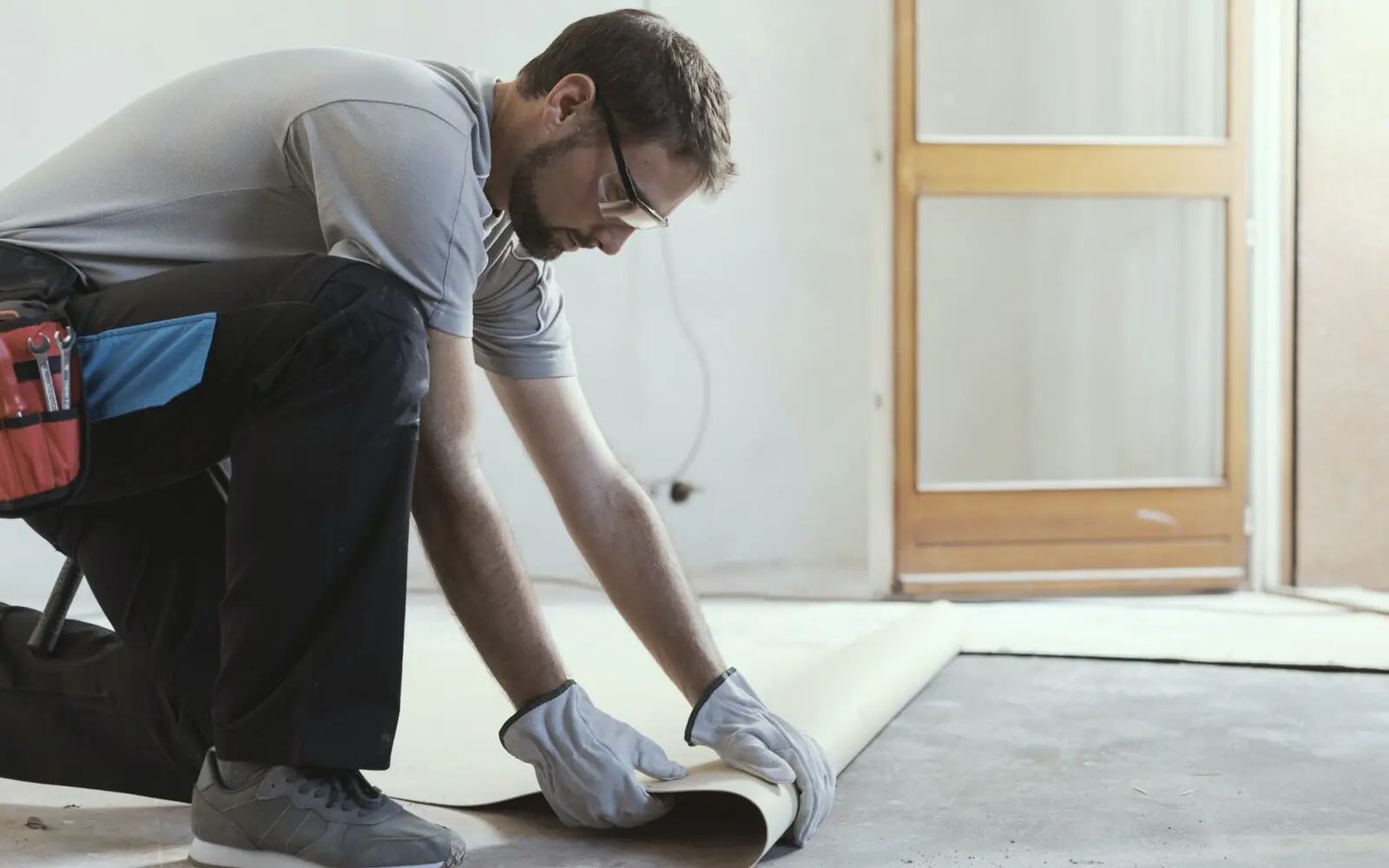
Identify materials that might contain asbestos before planning demolition. In older homes, it can be found in some textured ceilings, vinyl flooring and backing, fibre-cement cladding, soffits, roofing and pipe lagging. You cannot tell by looking. Ask a qualified asbestos surveyor or assessor to sample suspect materials in the areas affected by your renovation, and use the results to plan the work.
Do not drill, sand, cut or break suspect materials while waiting for results. These actions can release fibres that are harmful when breathed in. Keep the area undisturbed and tell everyone working on the house about the suspicion. If damage has already happened, stop work, keep people out of the area and get professional advice on cleaning and air testing.
Plan removal as its own stage in the programme. Depending on the type and amount, removal may need a licensed asbestos removalist and specific controls. Follow WorkSafe guidance and get a clearance once removal is complete. Ask your contractor how asbestos findings will be handled in the contract, including how extra removal discovered during work will be priced and approved.
Scope before solutions
Decisions to make before committing
Settle these points before an idea becomes an order, contract or construction instruction.
Tell the contractor the property's age and any known materials before demolition or intrusive work.
whether structure, use or specified systems change
plumbing, drainage, electrical and weathertightness scope
property overlays, hazards and existing unconsented work
Practical sequence
A step-by-step planning process
- 01
Define the exact outcome you need and how success will be checked.
- 02
Write a precise description of the proposed work and collect available property records.
- 03
Check current central-government and Auckland Council guidance for that project type.
- 04
Ask qualified practitioners to identify design, consent, safety and certification requirements.
- 05
Keep approved documents, variations, inspection records and completion certificates together.

Cost and time
How to build a more reliable budget and programme
A fixed price or completion date needs a measured scope and a site visit. This content is general information only. Confirm requirements with Auckland Council and appropriately qualified professionals before work starts.
Use the calculator, then request a site-specific assessment.
Risk control
Common mistakes to avoid
- Drilling, sanding or removing unidentified material can release hazardous fibres.
- assuming consent-exempt means code-exempt
- relying on general online advice instead of checking the actual scope
Accuracy and compliance
Use current official information
Primary sources used for this guide
- Check if you need consentsBuilding Performance (MBIE)
- Building and renovation projectsAuckland Council
- Asbestos in the homeWorkSafe New Zealand
- Documentation from your electricianElectrical Workers Registration Board
Common questions
Frequently asked questions
How do I know if my house has asbestos?
The only reliable way is to have suspect materials sampled and tested by a qualified professional. Homes built before 2000 are more likely to contain asbestos products, but age alone does not confirm it. Focus testing on materials that will be disturbed by your renovation, and keep the results with your project records.
Can I remove asbestos myself in New Zealand?
Some small-scale removal by homeowners may be possible, but the risks are serious and the rules depend on the type and amount of material. Many situations require a licensed removalist. Read WorkSafe guidance before considering it, and use professionals for anything you are unsure about, especially friable materials.
Which parts of an older home commonly contain asbestos?
Common locations include textured or popcorn ceilings, vinyl floor coverings and their backing, fibre-cement sheets used for cladding, soffits or wet areas, some roofing products and old pipe or heater insulation. These are only possible locations, so testing is needed before anyone cuts, sands or removes them.