What to focus on
Renovation priorities for Point Chevalier homes
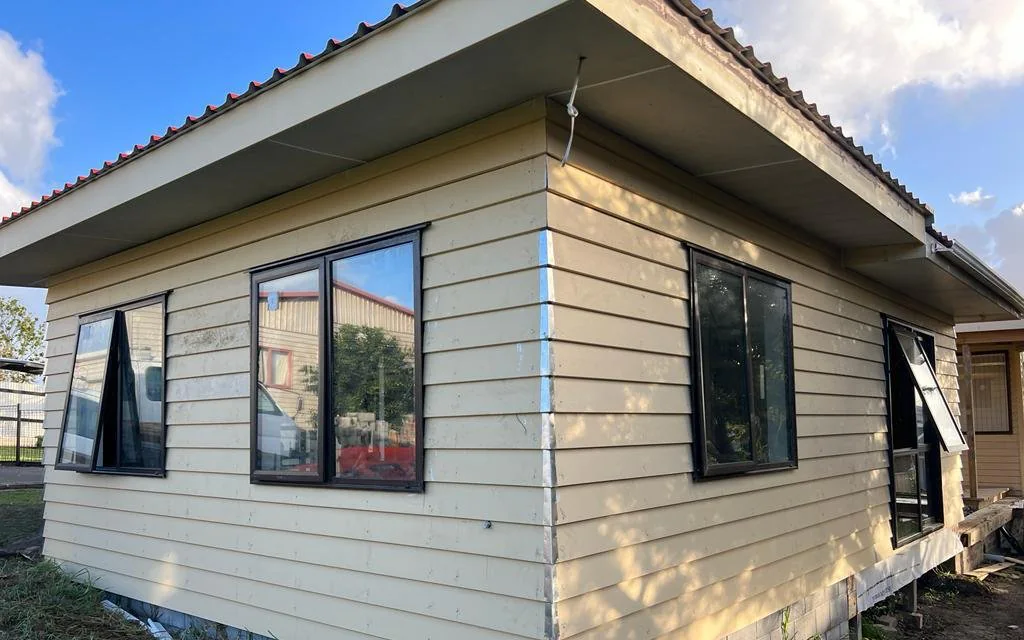
For a Point Chevalier bungalow, the most effective renovation is often a rear reconfiguration that joins a small kitchen to the dining and living rooms and adds a deck or doors to the garden. Many bungalows have a simple rectangular plan that suits this well. Alongside layout changes, owners commonly add insulation, replace single glazing and upgrade the bathroom, which together make a noticeable difference to comfort through the winter months.
Homes near the harbour face more salt and wind than inland suburbs, so material choices deserve extra thought. Fixings, flashings, roofing and exterior hardware should suit the property's corrosion exposure zone, and timber finishes may need more frequent maintenance. Before starting, investigate any existing rust, paint failure or damp on the windward side, and check that the original structure is in good condition before adding new openings or larger glazing.
Common questions
Renovating in Point Chevalier: questions answered
How do I make a Point Chevalier bungalow warmer in winter?
Start with the ceiling and underfloor, where insulation is usually easiest to add, then consider wall insulation in any rooms being relined. Replacing single glazing with double-glazed units cuts heat loss and condensation, which matters most on elevations exposed to wind off the harbour. Good extraction in the kitchen and bathroom keeps the warmer house dry.
Will coastal inundation mapping affect an extension in Point Chevalier?
It may, on low-lying sites near the shoreline. Where GeoMaps or the LIM show coastal inundation, flood plain or overland flow notations, council can require a higher floor level or specific design for new floor area. Look up your address before sketching an extension, because the required floor height can change how an addition connects to the existing house.