
Quick answer
What homeowners need to know
Compare shed materials by coastal exposure, moisture, maintenance, security, repairability, appearance and compatible fixings.
Specify the complete wall, roof, flashing and ventilation system rather than one cladding product.
Key takeaways
- Timber sheds suit gardens where appearance matters and changes may be needed later.
- Steel sheds are durable and secure but need the right coating for the site.
- Composite and plastic sheds offer low maintenance but have limits.
- Good carpentry starts with accurate site dimensions, substrate checks and a clear finish standard.
Carpentry & storage
Comparing storage shed materials for Auckland conditions
Timber sheds suit gardens where appearance matters and changes may be needed later. Timber is easy to repair, insulate and fit with shelving, but it needs regular painting or staining and correctly treated framing and cladding. Ask what treatment the framing and floor have, and whether the cladding is suitable for exterior use. Keep timber clear of soil and garden beds to reduce decay.
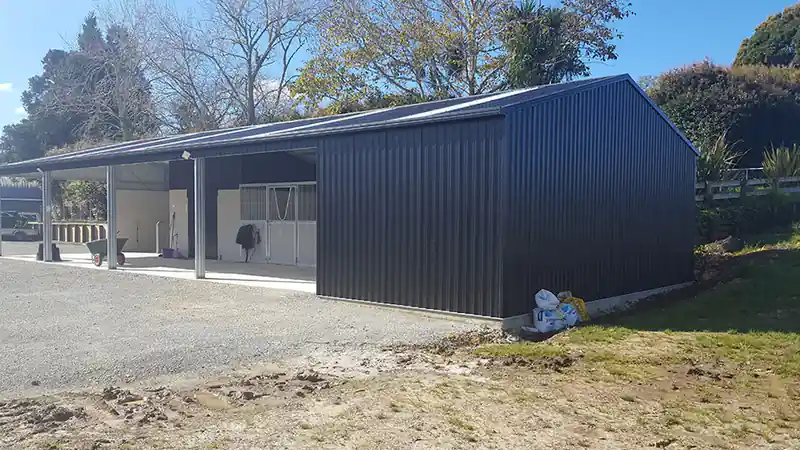
Steel sheds are durable and secure but need the right coating for the site. Galvanised and pre-painted steel perform differently near the coast, where salt spray speeds up corrosion. Ask whether the product suits your exposure zone, and check that fixings and flashings use compatible metals. Steel sheds can also get condensation inside, so ventilation or an anti-condensation lining helps protect stored items.
Composite and plastic sheds offer low maintenance but have limits. They resist rot and do not need painting, which suits smaller storage needs. However, they may be less rigid, harder to secure and difficult to repair if a panel cracks. Check how the shed is anchored and whether the supplier says it suits your wind zone, as lightweight sheds in exposed spots must be fixed down firmly.
Scope before solutions
Decisions to make before committing
Settle these points before an idea becomes an order, contract or construction instruction.
Specify the complete wall, roof, flashing and ventilation system rather than one cladding product.
custom dimensions and detailing
material, hardware and finish selection
site access, substrate repair and installation complexity
Practical sequence
A step-by-step planning process
- 01
Define the exact outcome you need and how success will be checked.
- 02
Measure the actual space and identify walls, floors, services and fixing points.
- 03
Define use, load, access, material, hardware and finish expectations.
- 04
Coordinate workshop drawings or setting-out information before cutting materials.
- 05
Protect surrounding finishes and check operation, alignment and fixings at handover.
Cost and time
How to build a more reliable budget and programme
A fixed price or completion date needs a measured scope and a site visit. Structural alterations, decks, large sheds and work affecting building performance may require design or consent advice beyond general carpentry.
Use the calculator, then request a site-specific assessment.
Risk control
Common mistakes to avoid
- Mixing incompatible metals or omitting edge protection can shorten service life.
- ordering from nominal rather than verified dimensions
- underestimating load, ventilation or access needs inside storage
Accuracy and compliance
Use current official information
Primary sources used for this guide
- Planning a successful buildBuilding Performance (MBIE)
- Check if you need consentsBuilding Performance (MBIE)
- Home renovation and repairConsumer Protection New Zealand
Common questions
Frequently asked questions
What is the best shed material for a coastal property?
Choose materials and fixings rated for coastal exposure. Treated timber with stainless or hot-dip galvanised fixings works well, as do steel products with coatings suited to marine conditions. Avoid mixing incompatible metals, which can corrode where they touch. Rinse metal surfaces occasionally, particularly sheltered areas that rain does not wash naturally.
Do metal sheds get condensation inside?
Yes, metal sheds can form condensation when warm, moist air meets cold steel, especially overnight. This can drip onto stored tools and cause rust or mould. Vents, an anti-condensation membrane under the roof and a dry, well-drained floor all reduce the problem. Avoid storing wet equipment or damp firewood inside a closed metal shed.
Are timber sheds better than steel sheds?
Neither is better in every case. Timber is easier to customise, repair and insulate, and blends into gardens, but needs regular maintenance. Steel is strong, secure and low-maintenance when correctly coated, but can corrode in harsh coastal air and is prone to condensation. Choose based on site exposure, security needs and how you will use the shed.