
Quick answer
What homeowners need to know
Renovate before selling only when verified repair, presentation or function improvements are likely to justify their cost, time and market risk.
Seek current local sales advice and compare repair-only, light-refresh and full-renovation scenarios.
Key takeaways
- Repairs that would show up in a buyer's building report usually come first.
- A light refresh is often more effective than a major renovation.
- Check consents and paperwork before you list.
- Whole-home work needs one coordinated plan for layout, services, envelope, finishes and occupation.
Whole-home renovation
Deciding whether to renovate before selling
Repairs that would show up in a buyer's building report usually come first. Leaks, rot, cracked tiles, damaged spouting and faulty electrical fittings can alarm buyers and weaken your negotiating position. Get your own pre-sale building inspection so you know what a buyer will find. You can then decide which defects to fix, which to disclose and which to factor into your price expectations.
A light refresh is often more effective than a major renovation. Paint, repaired flooring, tidy gardens, clean windows and good lighting help a home photograph well and feel cared for. These jobs rarely need consents or long lead times. Ask a local agent which presentation issues buyers in your area react to, and focus the budget there rather than on your own taste.
Check consents and paperwork before you list. Buyers' lawyers and lenders may look for consents and code compliance certificates for past alterations, and unconsented work can raise questions or delay a sale. Request the council property file early so there are no surprises. If you renovate before selling, keep every certificate of compliance, consent document and product manual ready for buyers to review.
Scope before solutions
Decisions to make before committing
Settle these points before an idea becomes an order, contract or construction instruction.
Seek current local sales advice and compare repair-only, light-refresh and full-renovation scenarios.
condition and age of the existing house
number of rooms and degree of layout change
temporary works, protection and occupied-home logistics
Practical sequence
A step-by-step planning process
- 01
Define the exact outcome you need and how success will be checked.
- 02
Assess the whole property before optimising individual rooms in isolation.
- 03
Create a coordinated design and services strategy with priorities for each stage.
- 04
Resolve consent, procurement, temporary living and protection requirements.
- 05
Sequence the work to avoid reopening finished areas or duplicating trade visits.

Cost and time
How to build a more reliable budget and programme
A fixed price or completion date needs a measured scope and a site visit. Older homes and substantial alterations benefit from early input from a designer, builder and any necessary structural or building-services specialists.
Use the calculator, then request a site-specific assessment.
Risk control
Common mistakes to avoid
- Assuming every improvement returns its full cost can lead to overcapitalisation.
- renovating finishes before resolving moisture or services
- planning each room without a house-wide sequence
Accuracy and compliance
Use current official information
Primary sources used for this guide
- Planning a successful buildBuilding Performance (MBIE)
- Building reports and red flagsConsumer Protection New Zealand
- Check if you need consentsBuilding Performance (MBIE)
Common questions
Frequently asked questions
What should I fix before selling my house?
Fix anything that signals neglect or would appear in a buyer's building report, such as leaks, rot, broken fittings, damaged spouting or sticking doors and windows. Then focus on presentation by cleaning, decluttering, repainting tired areas and tidying the garden. Leave major layout changes to the next owner unless local agent advice strongly supports them.
Is it worth renovating a kitchen or bathroom before selling?
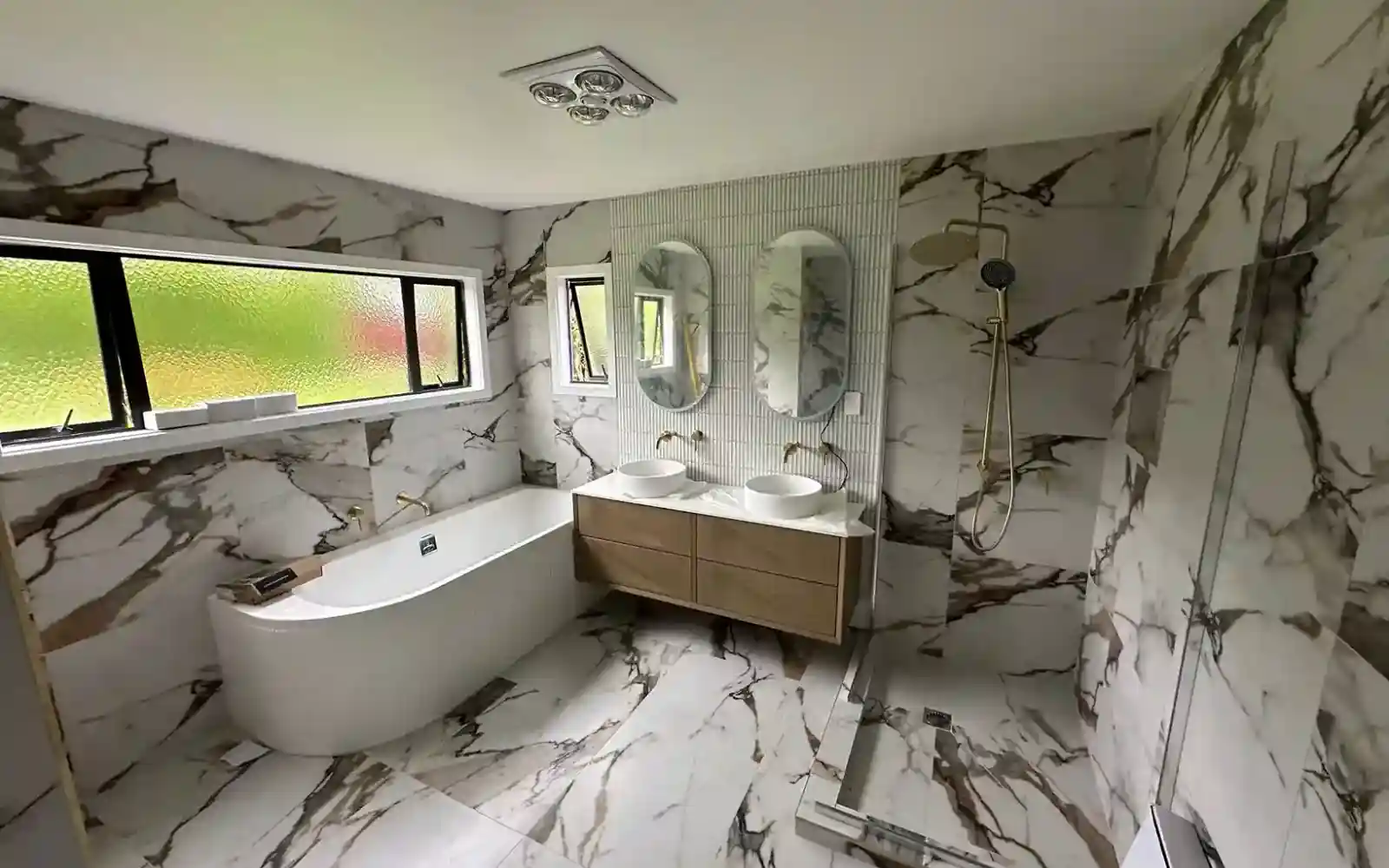
Sometimes, but the return is never guaranteed. A dated but clean, working kitchen or bathroom may only need new hardware, paint, re-grouting or better lighting. A full renovation adds cost, time and risk close to a sale. Ask a local agent for recent sales evidence and compare a refresh against a full upgrade before deciding.
Can unconsented work affect selling my house in Auckland?
Yes, it can. Buyers and their lawyers often review the council property file, and unconsented alterations may lead to questions, conditions or price negotiation. In some cases a certificate of acceptance can be sought for past work. Get advice from your lawyer and Auckland Council early, rather than discovering the issue partway through a sale.