
Quick answer
What homeowners need to know
Living at home may be possible for contained work, but safety, dust, noise, utilities, access and programme efficiency must be assessed for the actual project.
Agree work zones, temporary facilities, cleaning, security, pets, children and daily access before site setup.
Key takeaways
- Decide which essential facilities you cannot live without and plan around them.
- Dust and noise travel further than most people expect.
- Older houses need extra care before anyone stays through demolition.
- A written brief should define the outcome, constraints and decisions before prices are compared.
Planning & process
Planning to live at home during renovation
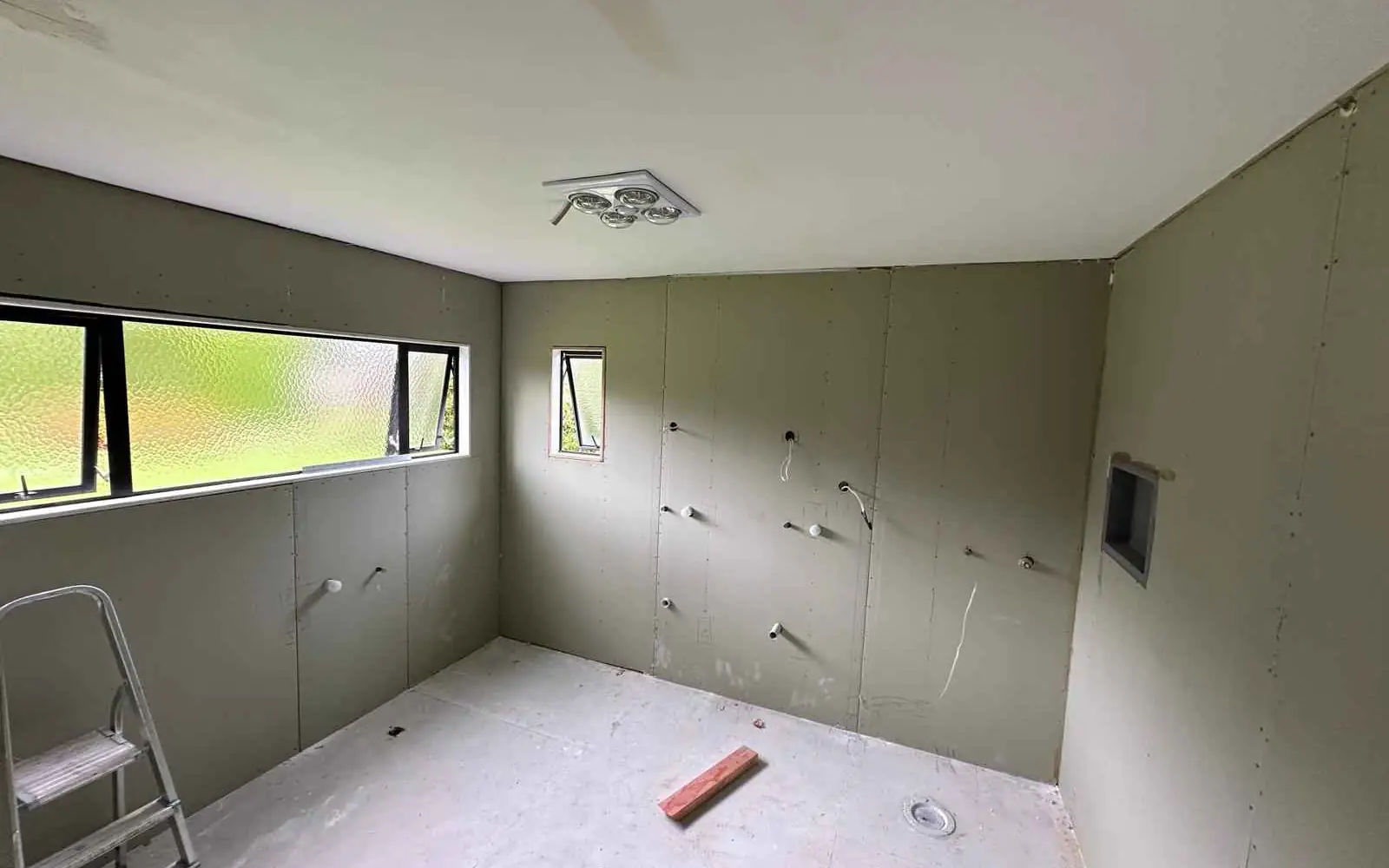
Decide which essential facilities you cannot live without and plan around them. Most households need a working toilet, a way to wash, somewhere to prepare simple meals and a safe place to sleep. If the renovation removes the only bathroom or kitchen, ask whether a temporary setup is practical, or whether staying elsewhere for that phase makes more sense.
Dust and noise travel further than most people expect. Ask how work zones will be sealed, whether floors will be protected along access routes and how the site will be cleaned at the end of each day. If anyone in the house has asthma, a young baby or works from home, factor that in early. Some households move out only for the noisiest or dustiest stages.
Older houses need extra care before anyone stays through demolition. Materials in homes built before 2000 may contain asbestos, and older paint layers may contain lead. Testing should happen before these materials are disturbed. If removal is needed, follow the specialist's advice about keeping occupants out of the affected areas until the work has been cleared as safe.
Scope before solutions
Decisions to make before committing
Settle these points before an idea becomes an order, contract or construction instruction.
Agree work zones, temporary facilities, cleaning, security, pets, children and daily access before site setup.
quality of the existing property information
speed of owner selections
consent, design and product lead times
Practical sequence
A step-by-step planning process
- 01
Define the exact outcome you need and how success will be checked.
- 02
Record what is not working in the existing space and what a successful result must change.
- 03
Separate essential work from preferences so budget decisions remain clear.
- 04
Inspect the property and confirm which designers, trades or specialists must contribute.
- 05
Approve scope, selections, responsibilities and programme before physical work begins.
Cost and time
How to build a more reliable budget and programme
A fixed price or completion date needs a measured scope and a site visit. Bring in the relevant designer, contractor or specialist when the proposal changes structure, services, moisture control or code compliance.
Use the calculator, then request a site-specific assessment.
Risk control
Common mistakes to avoid
- Assuming normal use of kitchens, bathrooms or power can create unsafe conditions and conflict.
- starting demolition before the scope is coordinated
- treating an early allowance as a fixed quotation
Accuracy and compliance
Use current official information
Primary sources used for this guide
- Planning a successful buildBuilding Performance (MBIE)
- Check if you need consentsBuilding Performance (MBIE)
- Home renovation and repairConsumer Protection New Zealand
Common questions
Frequently asked questions
Is it safe to stay in the house while it is being renovated?
It can be, if the work is contained and the risks are managed. Safety depends on separating occupants from work areas, controlling dust, keeping exits clear and testing for hazards such as asbestos before demolition. Projects that remove essential services, open up the roof or disturb hazardous materials may mean moving out for some stages.
How do I manage without a kitchen during a renovation?
Set up a temporary kitchen in another room with a fridge, microwave or plug-in cooker, a kettle and a tub for washing dishes. Keep it away from dust and trade routes. Plan simple meals, and agree with your builder when water and power will be off. Knowing the dates for the kitchen phase makes it much easier to organise around.
Should I move out if my only bathroom is being renovated?
Not always, but you need a clear plan for washing and toilet access. Options include staying with family or friends, hiring a temporary toilet, or asking whether a toilet can stay usable for part of the work. Ask your builder which days the room will be completely out of action. The right answer depends on the house, the scope and your household.