
Quick answer
What homeowners need to know
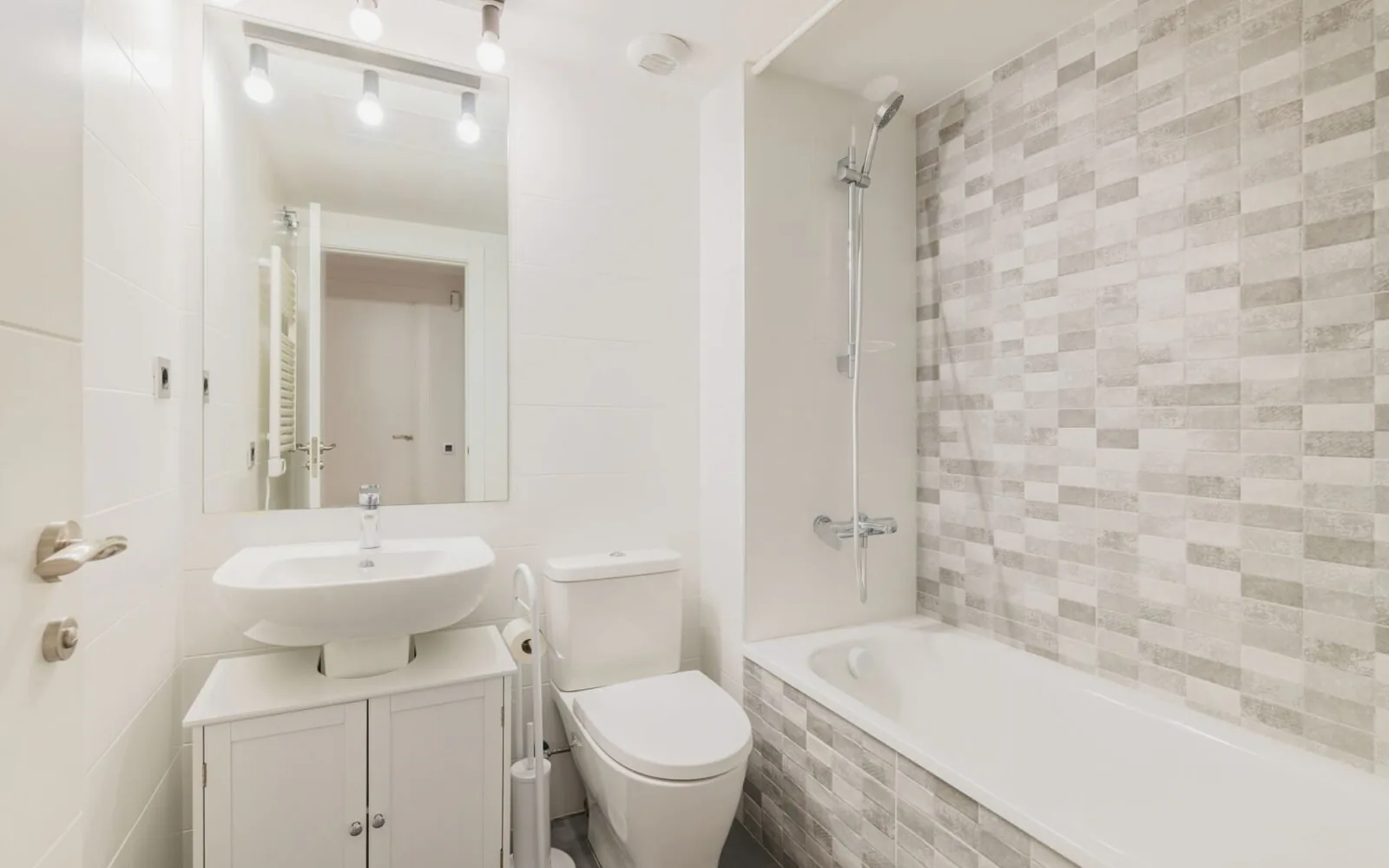
Affordability comes from retaining a workable layout, defining essential repairs and selecting durable mid-range components—not from omitting wet-area fundamentals.
Ask for the waterproofing, substrate, plumbing, ventilation and finishing scope to be itemised.
Key takeaways
- Ask every contractor to price the same written scope so the quotes can be compared fairly.
- Look for provisional sums and exclusions before comparing totals.
- Check who will do the restricted work and what paperwork you will receive.
- A bathroom is a coordinated wet-area system involving waterproofing, falls, plumbing and ventilation.
Bathroom renovation
Comparing quotes for an affordable bathroom renovation in Auckland
Ask every contractor to price the same written scope so the quotes can be compared fairly. List the fixtures you want, whether the layout stays the same, the areas to be tiled and the finishes you expect. Without a shared scope, one quote may include substrate repair and a new extractor fan while another leaves them out, and the cheaper figure becomes misleading.
Look for provisional sums and exclusions before comparing totals. A low quote can rely on optimistic allowances for rotten framing, floor repairs or fixtures that you will need to top up later. Ask how each allowance was worked out and what happens if the actual cost is higher. A slightly higher quote with clear inclusions often ends up closer to the final cost.
Check who will do the restricted work and what paperwork you will receive. Sanitary plumbing must be carried out by an authorised plumber, and new electrical work needs a certificate of compliance from a registered electrician. Ask which waterproofing system will be used and who installs it. If the job needs a building consent, confirm who applies for it and who books council inspections.
Scope before solutions
Decisions to make before committing
Settle these points before an idea becomes an order, contract or construction instruction.
Ask for the waterproofing, substrate, plumbing, ventilation and finishing scope to be itemised.
waterproofing and substrate condition
amount of tiling and fixture specification
plumbing relocation, ventilation and hidden moisture repair
Practical sequence
A step-by-step planning process
- 01
Define the exact outcome you need and how success will be checked.
- 02
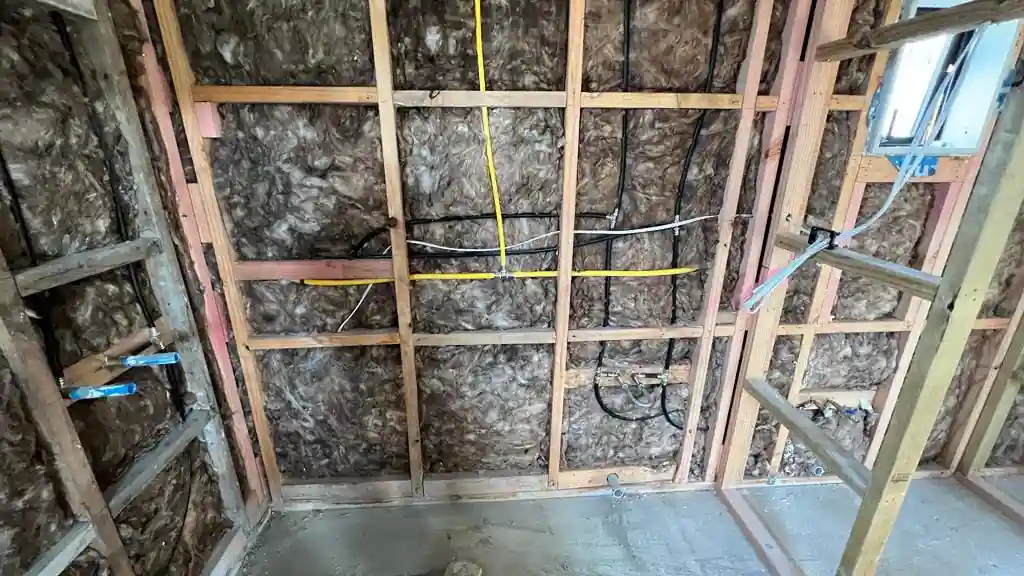
Inspect moisture, substrate, plumbing, ventilation and access before confirming the scope.
- 03
Set the layout and choose fixtures using verified dimensions and service requirements.
- 04
Document waterproofing, lining, tiling, ventilation, electrical and finishing responsibilities.
- 05
Plan inspections, curing time, commissioning and handover records before work begins.
Cost and time
How to build a more reliable budget and programme
A fixed price or completion date needs a measured scope and a site visit. Use qualified practitioners for restricted plumbing, electrical and waterproofing work, and confirm consent requirements for the actual alteration.
Use the calculator, then request a site-specific assessment.
Risk control
Common mistakes to avoid
- Cutting preparation or ventilation can create moisture failures that cost more than the initial saving.
- treating waterproofing as an isolated trade detail
- selecting fixtures that conflict with door, shower or cleaning clearances
Accuracy and compliance
Use current official information
Primary sources used for this guide
- Building and renovation projectsAuckland Council
- Check if you need consentsBuilding Performance (MBIE)
- Home renovation and repairConsumer Protection New Zealand
Common questions
Frequently asked questions
Why do bathroom renovation quotes vary so much in Auckland?
Quotes vary because contractors make different assumptions about scope, hidden repairs, fixture allowances and who supplies what. Some include substrate repair, ventilation and rubbish removal, while others exclude them. Ask each contractor to list inclusions, exclusions and provisional sums so you can compare like with like before choosing on price.
What should an itemised bathroom renovation quote include?
It should show demolition and disposal, framing or substrate repair allowances, waterproofing, plumbing, electrical, ventilation, linings, tiling, fixture installation and cleaning. It should also state provisional sums, exclusions, GST, payment stages and who supplies each fixture. Clear itemising makes any later variations much easier to understand and check.
Is the cheapest bathroom renovation quote a good choice?
The cheapest quote is only a good choice if it covers the same scope and standard as the others. Check whether it excludes repairs, uses low allowances or leaves out waterproofing and ventilation details. Ask the contractor to explain any large differences, and choose on clarity and completeness as well as price.